
Deciding between two condos in Fort Lauderdale is rarely about which one looks better; it’s about which one performs better financially, structurally, and over time. The biggest mistake buyers make isn’t choosing the wrong property. It’s comparing properties the wrong way.
To compare two condos properly, evaluate six factors beyond the listing price: total monthly cost of ownership, building structural health, HOA reserve strength, lifestyle restrictions, financing and insurance eligibility, and long-term resale liquidity.
In Fort Lauderdale’s luxury market, these six factors, not photos or square footage, determine which condo is actually the smarter purchase.
Here’s how to work through each one and compare waterfront condos in South Florida.
What Is the True Monthly Cost of Owning a Condo in Fort Lauderdale?
The asking price is just the entry point. What you’ll actually pay every month defines your experience, and this is where two similar condos can quietly diverge significantly.
A lower purchase price can easily become the more expensive option once you factor in HOA dues, homeowner’s insurance premiums, flood insurance (especially near the Intracoastal or the beach), and the likelihood of future special assessments. In South Florida, these aren’t minor line items; they’re defining costs.
The right question isn’t “What’s the asking price?” It’s “What will this realistically cost me every month, and how likely is that number to increase in the next three to five years?”
When comparing two condos side by side, build a simple monthly cost model for each one. The property that looks cheaper on listing day may look very different once the full picture is on paper.
How Do You Evaluate a Condo Building’s Structural Health?
Two units can look equally refined inside, yet belong to buildings that are worlds apart in terms of structural risk. This is no longer a secondary concern; it’s central to any serious purchase decision in Florida.
What Did Florida’s Senate Bill 4D Change for Condo Buyers?
Following the May 2022 Surfside Condominium Collapse, Florida passed Senate Bill 4D, which introduced mandatory milestone inspections for buildings three stories or taller that are 25 years or older, as well as Structural Integrity Reserve Studies (SIRS). These aren’t optional.
Buildings are now legally required to assess and fund reserves for structural repairs, and many older buildings in Fort Lauderdale, Pompano Beach, and along A1A are navigating these requirements.
What this means for buyers: a freshly renovated interior can be deeply misleading if the building itself is approaching a major repair cycle. Elevators, roofing systems, concrete restoration, seawalls, and parking garage structures are not cosmetic items. They’re financial events with six- and sometimes seven-figure price tags.
What Documents Should You Request Before Buying a Condo?
Before you fall in love with a unit, ask for the building’s most recent milestone inspection report, the SIRS report, and any pending or recently completed special assessments. If a building can’t or won’t provide these, that tells you something important.
Does HOA Reserve Strength Matter More Than the Monthly Fee?
Yes, significantly more. Two buildings with nearly identical HOA fees can be in completely different financial positions, and the difference will find you eventually.
A well-funded building with strong reserves absorbs future repairs without shocking owners. It’s predictable. A building with underfunded reserves may look affordable today, but it is essentially deferring costs onto future owners, including you.
What Happens When a Building’s Reserves Are Underfunded?
Florida’s new SIRS legislation has forced many condo associations to catch up on reserves they’ve underfunded for decades. In some Fort Lauderdale buildings, this has triggered substantial assessment increases or one-time special assessments that existing owners didn’t see coming.
What Reserve Funding Percentage Should You Look For?
When you’re comparing two buildings, don’t just ask “What is the HOA?” Ask for the reserve study and the current reserve funding percentage. A building funded at 70% or above is generally in a healthy position. Below 50% is worth scrutinizing, especially in an older building near the water.
How Do Lifestyle Restrictions Affect Your Condo Purchase?
Two condos may offer the same views and similar finishes, but the way you’re allowed to live in them or rent them out can be completely different. This is where disappointment most often sets in, not because the property isn’t beautiful, but because it doesn’t function as the buyer expected.
Can You Rent Out Your Condo and on What Terms?
Some buildings in Fort Lauderdale allow flexible leasing, including short-term rentals. Others restrict leasing entirely for the first year of ownership, limit you to one lease per year, or prohibit rentals of less than six months. If you’re buying as an investment or want flexibility, these rules matter enormously.
What Else Do Condo Rules Control?
Pet policies, renovation approval processes, and board approval for buyers also vary building to building. Some associations in Las Olas, Harbor Beach, and Galt Ocean Mile have extensive approval procedures; others are far more streamlined.
The comparison shifts from what the condo looks like to how it actually lets you live, and that’s a more important question than most buyers ask upfront.
Can Financing and Insurance Eligibility Affect Which Condo You Should Buy?
This is one of the least visible but most consequential differences between the two condos, and it affects not just your purchase but your eventual exit.
How Does Fannie Mae Eligibility Affect a Condo Purchase?
A building that meets conventional lending standards (Fannie Mae/Freddie Mac eligibility) is easier to buy and dramatically easier to sell. Buildings that fail lender review due to high investor concentration, deferred maintenance flags, litigation, or insurance gaps shrink your future buyer pool to cash-only buyers. In a market correction, that’s a significant vulnerability.
What Should You Check About a Condo Building’s Insurance?
On the insurance side, Florida’s property insurance market has become increasingly complicated. Some buildings in Broward County are carrying policies with significant coverage gaps or are insured by carriers that have exited the Florida market.
This affects both your personal insurance costs and the building’s overall financial stability.
When comparing two condos, verify that each building has a current, comprehensive master policy and confirm whether the building is on any lender’s ineligible list before you get too far into the process.
Does Location Precision Matter When Comparing Fort Lauderdale Condos?
“Close to the beach” can mean very different things in reality, and marketing descriptions are written to blur those differences.
Why “Close to the Beach” Doesn’t Mean the Same Thing Everywhere
One condo may offer direct, walkable access to Fort Lauderdale Beach, Las Olas Boulevard, and the Riverwalk. Another, technically just as close on a map, may require crossing A1A during peak-season traffic, dealing with construction corridors along Seventeenth Street, or navigating dense tourist areas just to reach the water.
How Do You Know If a Condo’s View Is Protected?
Views deserve similar scrutiny. An unobstructed ocean or Intracoastal view today isn’t automatically protected. Development activity along the Fort Lauderdale waterfront is ongoing, and a view that’s currently open may have a high-rise approved for the vacant lot in front of it.
A quick review of Broward County’s active building permits for the surrounding area takes less than an hour and can save you a very expensive surprise.
Noise, privacy, and daily access aren’t minor lifestyle preferences at a luxury price point; they’re core components of what you’re paying for.
Which Condo Will Hold Its Value Better Over Time?
Ultimately, you’re not buying just for today. You’re positioning yourself for what happens in five, ten, or fifteen years, whether that means rental income, a sale, or simply the peace of knowing your asset is appreciating rather than depreciating.
When two condos appear equal on the surface, the one that holds value better almost always has stronger fundamentals: a financially healthy HOA, a building that’s ahead of (not behind) its maintenance obligations, flexible ownership rules that appeal to a broad buyer pool, and a location with lasting desirability.
Buildings that have completed their SIRS compliance, passed milestone inspections, and maintained strong reserves tend to command premium resale pricing not just because of the unit itself, but because buyers at the next purchase point can get financing. Sellers don’t have to discount for uncertainty.
That’s the real difference between a smart purchase and an expensive lesson.
Frequently Asked Questions
What should I look for when comparing two condos in Fort
Lauderdale? Compare total monthly cost of ownership (not just asking price), building structural health and inspection history, HOA reserve funding levels, lifestyle and leasing restrictions, lender eligibility, and insurance coverage.
In Fort Lauderdale’s waterfront market, HOA assessments and Florida’s milestone inspection requirements make building-level due diligence especially critical.
What is a special assessment in a condo, and how do I know if one is coming?
A special assessment is a one-time charge levied on condo owners to cover major repairs or capital expenses that the HOA’s reserves can’t fully cover. To assess the risk, request the building’s reserve study, current reserve funding percentage, recent meeting minutes, and any pending maintenance or repair items flagged in the latest milestone inspection report.
What is a SIRS report, and why does it matter for Fort Lauderdale condo buyers?
A Structural Integrity Reserve Study (SIRS) is a mandated assessment under Florida Senate Bill 4D that evaluates a building’s structural components and calculates the funding needed to maintain them.
Florida law now requires condo associations to fully fund these reserves, and buildings that are behind on compliance may face significant upcoming assessments, which directly affect your cost of ownership and the building’s resale appeal.
Does a condo building’s Fannie Mae eligibility affect my purchase?
Yes, significantly. If a building doesn’t meet Fannie Mae or Freddie Mac lending guidelines due to factors like high investor concentration, pending litigation, deferred maintenance, or insurance gaps, you may only be able to secure non-warrantable financing at higher rates, or the building may be limited to cash buyers.
How do I know if a Fort Lauderdale condo’s view is protected?
In most cases, views are not legally protected. To assess the risk, review Broward County’s active building permits and zoning approvals for parcels adjacent to or in front of the property.
A real estate attorney familiar with South Florida development patterns can help you evaluate whether the current view corridor is likely to remain open over your anticipated ownership horizon.
Is it better to buy a newer condo or an older one in Fort Lauderdale? It
depends less on age and more on maintenance history and reserve health. A newer building isn’t automatically safer; construction quality and HOA management matter just as much.
An older building that has completed concrete restoration, passed milestone inspections, and maintains fully funded reserves can be an excellent purchase.
The red flags are deferred maintenance, underfunded reserves, and a history of reactive (rather than proactive) repairs regardless of the building’s age.
Conclusion
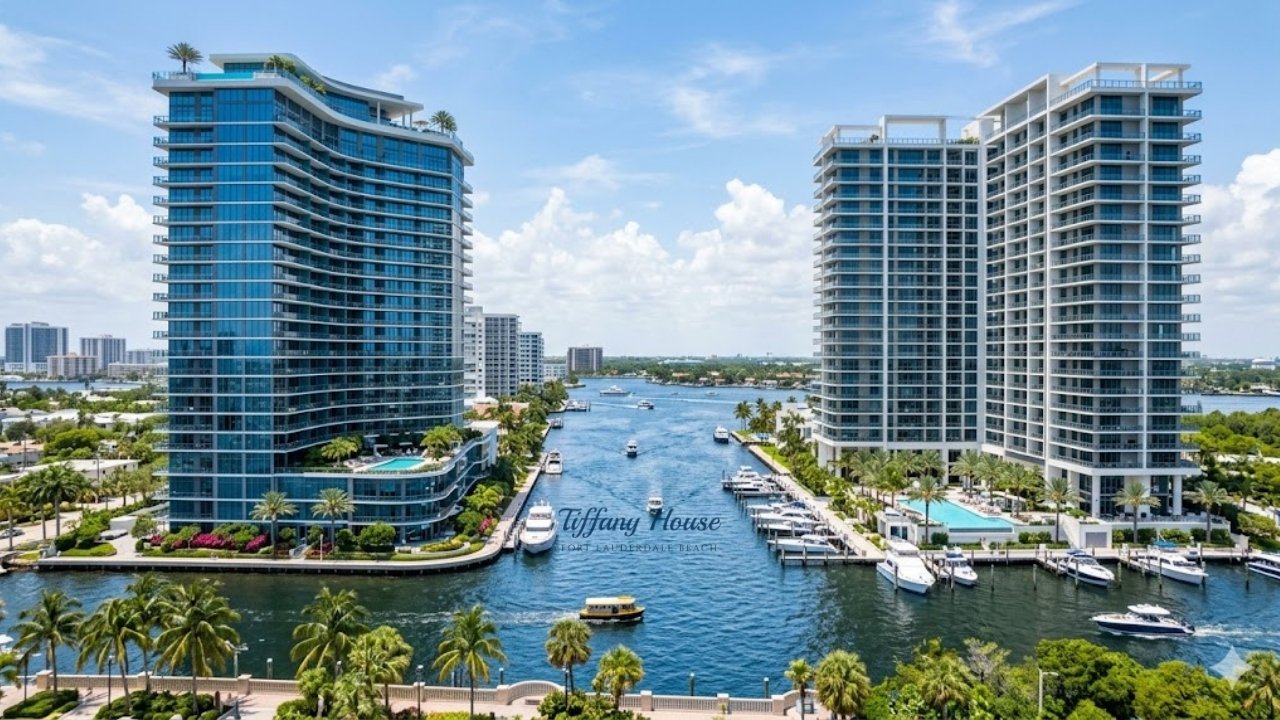
If you’re currently weighing two properties and want a clearer framework for the decision, it helps to benchmark against a building that reflects current standards for construction quality, reserve management, and amenity delivery, such as Tiffany House.
It offers a useful reference point for what a well-positioned luxury condo should look like in today’s Fort Lauderdale market.
A private consultation can help you compare your specific options with the clarity that comes from seeing the full picture, not just what’s on the listing.